


Lovebirds are tiny birds, but they have great requirements during winter. Lovebirds are naturally found in warm, tropical climates, but they are sensitive to cold temperatures and require special care during the colder months. If you’re thinking about how to keep your feathered friends warm, healthy, and well during the winter, here are some essential winter care tips for your lovebirds.
❗Signs Your Lovebird Could Be Cold:
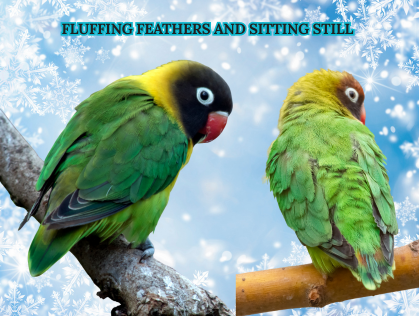
- Fluffing feathers and sitting still
- Shivering or trembling
- Cold feet or beak
- Lethargy or reduced vocalization
Can Lovebirds Tolerate Cold Weather?
Lovebirds are not naturally able to tolerate cold conditions. Even if they are tropical birds, they do best in an environment between 18 and 29 degrees centigrade (65°F to 85°F). Temperatures below 15°C (59°F) can become challenging, potentially even hazardous if prolonged exposure occurs.
Essential Winter Care Tips for Lovebirds
Winter care for your lovebirds should begin with maintaining a warm and consistent environment for them. Here are some tips to keep them protected from the cold:
- Place the cage away from windows, doors, and vents..
- Have the room they’re in sealed for drafts
- Close curtains or blinds at night to insulate the room.
- Don’t put cages on the floor, where the animals will be cold.
How to Warm Lovebirds in Winter
Here are some safe and effective ways to achieve a cozy winter atmosphere:
✅ Safe Heating Options:
Implement these winter care tips for your lovebirds to create a warm and welcoming home, especially during the chilly times.
- Ceramic heat emitters (no light) – bird safe & quiet
- Heaters with thermostats in the room (keep at a safe distance)
- Night cage covers (allow some room in one corner for breathing).
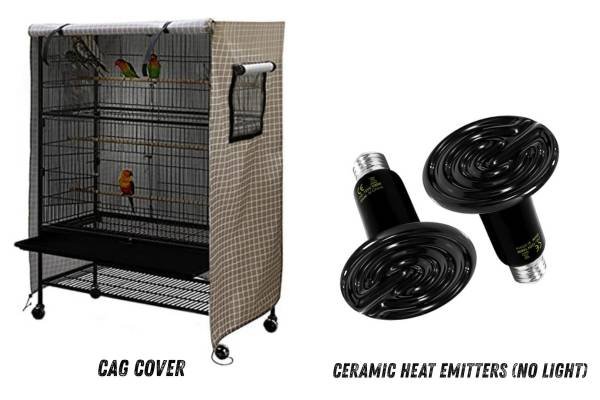
Ensure that heating gadgets are made from bird-safe materials and do not produce Teflon or other harmful fumes.
Should You Cover the Cage at Night in Winter?
Yes, you should generally cover the cage at night when the outside temperatures are cold. Cover: A cover helps capture body heat, block drafts, and cradle with a feeling of security.
However:
- Use breathable fabric
- Avoid plastic or airtight materials.
Winter Diet for Lovebirds
Diet is one way to help your lovebird better handle cold temperatures. Winter is the season to provide a few more calories and warm foods while retaining balance.
🥦 Safe Winter Foods for Lovebirds:
- Millet and canary seed: Hot and high-energy
- Carrots, sweet potatoes, squash: Nutrient-rich and warming
- Greens (spinach, kale): Immunity boost
- Sunflower or Flax seeds in moderation: Good fats
Lovebird’s Seed Mix For Winter
If the temperature in the bird’s room is below 20 degrees Celsius, prepare a mixture of seeds for your Lovebirds according to the following ratio.
| S.N | ITEMS | % | QUANTITY |
|---|---|---|---|
| 1 | Red millet | 10% | 0.5 Kg |
| 2 | Yellow millet | 30% | 1.5 Kg |
| 3 | Foxtail millet Yellow | 20% | 1 Kg |
| 4 | Foxtail millet Red | 10% | 0.5 Kg |
| 5 | Sunflower Seed | 10% | 0.5 Kg |
| 6 | Canary Seed | 10% | 0.5 Kg |
| 7 | Hemp Seed | 10% | 0.5 Kg |
| 8 | Oat Seed | 0% | Nil |
| Ratio for Winter | Total | 5 Kg |
🔁 Rotate daily with fresh foods and make sure there’s unfrozen water available.
Keep Tabs on Your Lovebirds’ Health in Winter
Being cold can cause respiratory problems or a suppressed immune system if not handled correctly. Monitor for:
- Changes in energy or appetite
- Breathing difficulties or wheezing
- Fluffed-up feathers for long periods
- Yellowing of beak, feet, or droppings
🩺 Always consult an avian veterinarian if symptoms persist.
Indoor Environment Setup for Winter
- The temperature in the indoor setup should be kept warm for the bird to lead a healthy life.
- Maintain a humidity level of 40–60% to prevent dry skin and respiratory problems.
- Night time: Compensation for shorter days. Light: Use a daylight lamp.
- Maintain a clean, dry cage — your bird can get sick if it’s cold and wet.
Emergency Preparedness: Power Outages in the Winter
- If you lose power in winter, quick action can make a difference:
- Transfer the cage to the hottest room.
- Cover the cage with a blanket (leaving a breathing hole)
- Keep birds calm and covered.
Frequently Asked Questions (FAQ)
❄️ How Cold Is Too Cold for Lovebirds?
Anything under 15°C (59°F) is dubious.’ Maintain the room temperature at 18-29°C (65-85°F).
🛌Should I cover my lovebird cage at night in the winter?
Yes, breathability in a cloth can help hold onto warmth and block drafts. Leave some ventilation.
🌡️ Do lovebirds need a heater in the winter?
In cold climates or unheated rooms, yes. Heat with a bird-safe heater or ceramic heat emitter.
🥬 What are some good winter food options for lovebirds?
Roots (carrots, sweet potatoes), leafy greens, warm grains such as oats, and fatty seeds in small amounts.
🛡️ How to protect lovebirds in winter?
Either keep their cage in a warm location, cover the cage, add safe heating, and feed them properly.
Conclusion
Your lovebirds count on you to provide warmth in the winter and comfort all year long. So, if you provide them with the care tips above, introduce other types of food, maintain a warm, safe environment, and observe them for signs of distress, you will give your lovebirds a fighting chance not only to live but to thrive during the winter.